
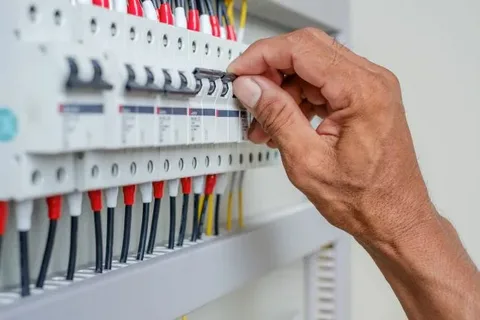
⚡ Electrical Maintenance & Repairs
📖 Description
Electrical maintenance and repairs involve the inspection, servicing, troubleshooting, and fixing of electrical systems to ensure safe, reliable, and efficient operation. It covers residential, commercial, and industrial facilities, preventing breakdowns, reducing downtime, and extending the lifespan of electrical equipment.
⭐ Key Features
Preventive Maintenance – Scheduled inspections to identify and fix potential faults before failure.
Corrective Repairs – Quick response to electrical faults such as tripping breakers, burnt wiring, or equipment failure.
Testing & Diagnostics – Use of multimeters, thermal imaging, and load testing for accurate fault detection.
Emergency Services – 24/7 response for urgent electrical breakdowns.
Component Replacement – Repair or replacement of fuses, breakers, switches, and damaged wiring.
System Upgrades – Modernization of outdated systems for improved safety and efficiency.
Safety Compliance – Ensuring all repairs meet electrical codes and safety standards.
🛠️ Maintenance Practices
Routine Inspections – Check wiring, circuit breakers, and outlets for wear and damage.
Cleaning Electrical Panels – Remove dust and moisture to avoid overheating and arcing.
Load Management – Monitor power usage to prevent overloading circuits.
Testing Protective Devices – Regularly test RCDs, ELCBs, and surge protectors.
Tightening Connections – Prevent overheating by ensuring all electrical connections are secure.
Updating Records – Maintain logs of inspections, repairs, and replacements.
Training & Safety – Ensure technicians follow lockout/tagout (LOTO) and wear protective equipment.