
🏠 Residential Electrical Installations
📖 Description
Residential electrical installations involve the design, wiring, and setup of electrical systems in homes and apartments. This includes power distribution, outlets, switches, lighting, and safety devices that ensure reliable electricity, comfort, and protection for residents. A well-planned installation guarantees energy efficiency, safety compliance, and convenience for everyday living.
⭐ Key Features
Complete Wiring & Cabling – Properly routed electrical wiring for lighting, outlets, and appliances.
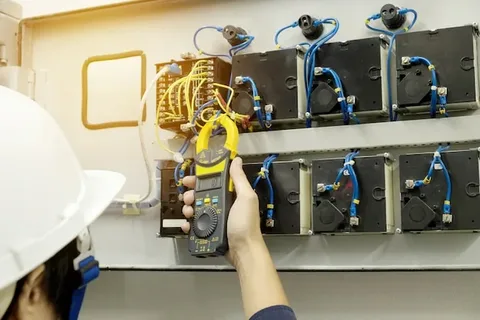
Distribution Boards & Circuit Breakers – Safe power distribution with overload and short-circuit protection.
Lighting & Outlets – Installation of LED lighting, sockets, and USB charging ports.
Appliance Connections – Dedicated circuits for heavy appliances like ACs, refrigerators, and heaters.
Smart Home Integration – Automation with smart switches, sensors, and remote control.
Safety Features – Earthing, surge protection, and RCCB/ELCB for shock prevention.
Energy Efficiency – Use of energy-saving lighting and load management systems.
🛠️ Maintenance
Routine Inspections – Regularly check switches, sockets, and distribution panels for faults.
Load Testing – Ensure circuits are not overloaded by high-power appliances.
Cleaning Panels & Outlets – Dust removal to prevent overheating or electrical hazards.
Replacing Worn Components – Timely replacement of damaged switches, sockets, and fuses.
Testing Safety Devices – Periodically test RCCBs/ELCBs and surge protectors.
Upgrading Systems – Replace outdated wiring and add smart controls for modern needs.
Emergency Readiness – Keep backup power solutions like UPS or generators available.